Your home already knows what you need
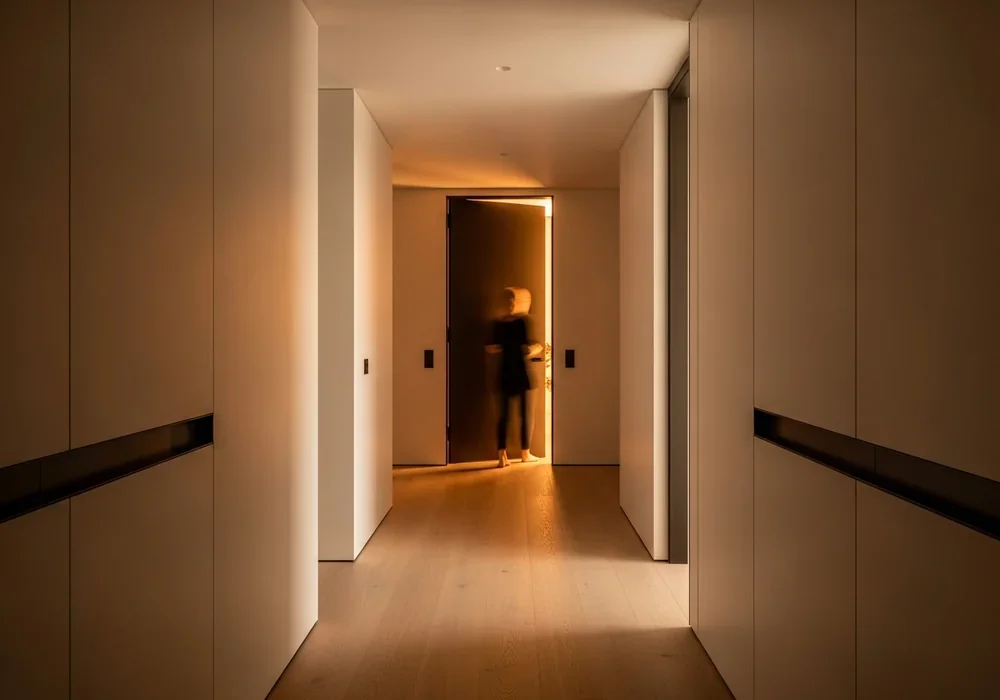
Imagine walking into your hallway at 6 PM. The lights don’t just flash on. They bloom softly in a warm amber hue. This isn’t science fiction anymore. In 2026, smart lighting is no longer about flicking a virtual switch on your phone. It is about a home that anticipates your every move. We have moved past simple schedules. Today, AI learns your heartbeat of life.
Have you ever felt frustrated by a ‘smart’ light that didn’t turn on when you needed it? Or perhaps one that stayed blindingly bright during a midnight snack run? Those days are gone. Modern systems now utilize presence sensors and behavioral AI. They recognize the difference between a dog running by and you sitting down with a book. It is truly intuitive design at its finest.
The end of manual toggling: AI pattern learning
Current AI-driven systems analyze your daily habits for about two weeks. They note when you brew your first coffee. They track when the sun hits your windows. After this ‘learning phase,’ the smart lighting system takes over. It adjusts brightness levels based on natural light availability. This reduces eye strain and makes the transition from day to night seamless. Honestly, you might forget where your physical switches even are.
Why your biological clock loves smart lighting
Lighting is more than just visibility. It is biology. Our bodies react to light colors. Blue light wakes us up. Warm light winds us down. In 2026, Human Centric Lighting (HCL) has become the standard for luxury interiors. It synchronizes your indoor environment with the Earth’s natural rhythm. This isn’t just a trend; it is a wellness revolution.
Human Centric Lighting (HCL) and the 24-hour cycle
Research shows that HCL can improve sleep quality by 20%. It works by mimicking the sun’s progression. At noon, your smart lighting hits a crisp 5000K to 6500K. This suppresses melatonin and boosts focus. As evening approaches, the system automatically shifts to 2700K. This transition is so gradual you won’t even notice it happening. Your body, however, will thank you for the natural cues to rest.
Room-by-room: Crafting the perfect atmosphere
Every room has a different soul. Your living room is a theater, a lounge, and a gallery all at once. Your bedroom is a sanctuary. Static lighting simply cannot serve all these purposes. This is where smart lighting automation becomes your personal interior designer. Let’s look at how to curate these spaces effectively.
Living Room: From cinema nights to social galas
The living room is the heart of the home. For a ‘Cinema Mode,’ your AI can dim the main pendants to 5%. Simultaneously, it can activate deep blue LED backlights behind the TV. This increases perceived contrast and reduces glare. Hosting a party? A ‘Social’ preset raises the brightness to 40% with a warm, inviting glow. It highlights your decor without feeling clinical.
Bedroom: Waking up to a digital sunrise
Forget the jarring sound of an alarm clock. Use ‘Sunrise Simulation’ instead. Your smart lighting starts at 1% brightness 30 minutes before you wake. It slowly transitions from deep red to bright daylight white. This process gently signals your brain to stop producing sleep hormones. You wake up feeling refreshed, not startled. It is the most luxurious way to start any morning.
Home Office: Tuning your brain with color temperature
Productivity is often a matter of light. For deep work, set your office to a cool 5000K. This mimics the alertness of a bright morning. When it is time for creative brainstorming, shift to a slightly warmer tone. AI can even detect when you’ve been at your desk too long. It might pulse the light gently to remind you to stretch. It is like having a silent, helpful assistant.
The invisible upgrade: Aesthetics meets technology
A common mistake is thinking smart tech looks ‘techy.’ In 2026, the best smart lighting is invisible. We focus on the effect, not the fixture. DesignHomes advocates for a ‘layered’ approach. This involves using different types of light to create depth and texture in a room.
| Lighting Type | Primary Purpose | Best Smart Solution |
|---|---|---|
| Ambient | General illumination | Smart Recessed Downlights |
| Task | Specific activities | Tunable Smart Desk Lamps |
| Accent | Highlighting art/walls | Addressable LED Strips |
| Decorative | Visual interest | Vintage-style Smart Filaments |
Recessed LED strips and the art of indirect glow
Want to make your ceiling look higher? Install smart LED strips in a cove. This indirect light bounces off the ceiling, creating a soft, shadowless environment. In 2026, these strips are ‘addressable.’ This means each inch can be a different color or brightness. You can create a ‘flowing water’ effect or a subtle ‘candlelight’ flicker. It adds a sophisticated layer of movement to your walls.
Making it all work: The Matter protocol revolution
Compatibility used to be a nightmare. You had one app for bulbs and another for sensors. Thanks to the Matter protocol, those days are over. Matter ensures that your Apple HomeKit, Google Home, and Samsung SmartThings all talk to each other. It is the universal language of the 2026 smart home. When you buy a smart lighting product, just look for the Matter logo.
Choosing your brain: Apple vs. Google vs. Samsung
- Apple HomeKit: Best for privacy enthusiasts and iPhone users. The interface is clean and highly secure.
- Google Home: Superior AI voice recognition. Great if you rely on Google Assistant for your daily schedule.
- Samsung SmartThings: The most versatile for hardware. It connects almost anything and has powerful automation ‘recipes.’
Saving the planet while looking good
Sustainability is the ultimate luxury. 2026 smart lighting systems include real-time energy monitoring. You can see exactly how many cents each lamp costs to run. AI optimizes this by turning off lights in empty rooms. It also dims them when sunlight is sufficient. Most users see a 30% drop in their energy bills within the first year. It is an investment that pays for itself while protecting the environment.
Ultimately, smart lighting is about freedom. It is the freedom to never worry about a dark house again. It is the luxury of an environment that adapts to your mood, health, and style. Ready to transform your space? Start with one room, feel the difference, and let the light guide you home.
Key Takeaways for 2026
- AI now predicts your needs rather than just following a timer.
- Human Centric Lighting is essential for maintaining a healthy sleep-wake cycle.
- Matter protocol has finally made multi-brand setups easy and reliable.
자주 묻는 질문
Do I need to replace all my fixtures to have smart lighting?
Not at all. You can start by simply replacing your existing bulbs with smart bulbs. For a more integrated look, you can install smart switches that control your traditional fixtures, or add plug-in smart modules for lamps.
Is smart lighting difficult to set up for beginners?
In 2026, it’s easier than ever. Most devices use ‘Zero-Touch Provisioning.’ You just power them on, and your smartphone automatically detects and connects them via the Matter protocol.
Does smart lighting work if the internet goes down?
Yes. Most modern systems use local hubs (like a Matter hub). This means your automated routines and voice controls will still work within your home even if your external internet connection is interrupted.

Kumar Tomar is a distinguished writer at DesignHomes.in, specializing in home design and interior decor. Holding a degree in Interior Design from the National Institute of Design, Kumar combines formal education with practical experience to deliver insightful and authoritative content. With over 8 years in the industry, he is known for his in-depth knowledge of design trends and his ability to provide actionable advice for homeowners. Kumar’s expertise and dedication to high-quality writing make him a trusted resource for those seeking to enhance their living spaces. Follow Kumar on Instagram for the latest design inspiration and tips.